
Common Appliance Problems in Weymouth Homes
A dryer that takes two full cycles to dry a load in a basement laundry room off a narrow bulkhead stairway — that is one of the most common calls we get from Weymouth homeowners. Many of the older single-family homes and multifamily properties here have appliances tucked into tight spaces where airflow is limited and access is not straightforward.
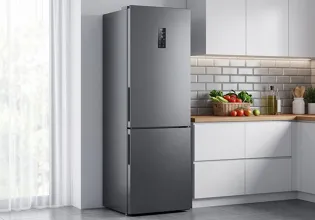
- Refrigerators stop cooling or cycle constantly, often because condenser coils are caked with dust in a kitchen where the unit sits flush against a wall with almost no clearance behind it.
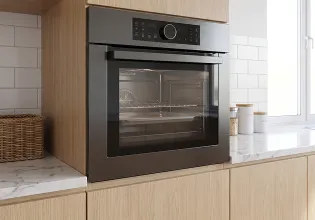
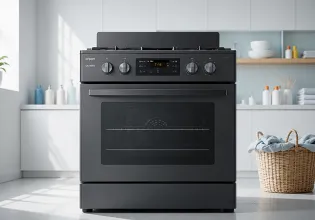
- Gas stoves and ovens fail to ignite or heat unevenly. In older Weymouth homes, the gas shutoff valve behind the range can be stiff and corroded — worth knowing where it is before a technician arrives.
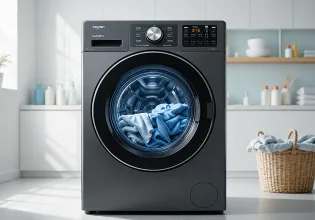
- Washers leak from the bottom or refuse to drain. We usually see this when the drain hose has been kinked behind a machine that was shoved back too far into a closet-style laundry alcove.
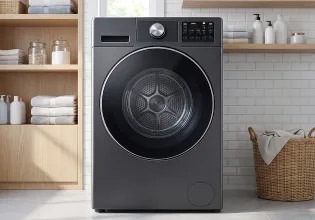
- Dryers run hot but clothes stay damp, which often points to a clogged vent line — a real concern in homes where the vent runs ten or fifteen feet through a basement wall before reaching the exterior.
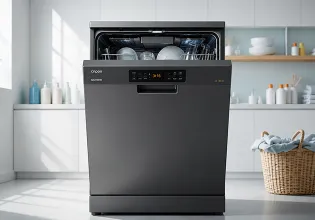
- Dishwashers leave standing water or fail to clean dishes. Sometimes the issue is a worn pump, but in many cases it is a clogged filter or a kinked drain hose under the counter.
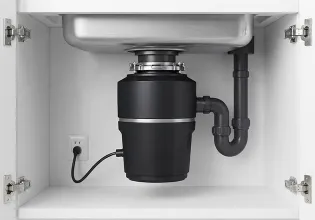
- Garbage disposals jam or hum without spinning, especially in kitchens with older plumbing where the drain line has narrowed over decades of use.
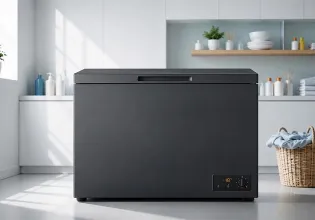
- Freezers frost up excessively or warm to unsafe temperatures — a problem that demands quick attention to avoid losing a full stock of food.
Local Utility, Permit, Safety, and Disposal Factors in Weymouth
If you are replacing an appliance in Weymouth rather than repairing one, the process involves more than just picking a new model. The town has specific permit requirements and disposal rules that directly affect how the job gets done — and skipping a step can create real headaches.
Permits and Licensed Contractor Requirements
Weymouth's Inspectional Services department handles gas, electrical, and plumbing permits for appliance work. If you are swapping out a gas stove or installing a gas dryer, a licensed gas fitter has to pull a gas permit through Weymouth Inspectional Services before the work begins. The same applies to electrical permits when a new appliance needs a different outlet or a dedicated circuit — something that comes up often in older homes where the panel may not have a spare breaker slot. Plumbing permits are required for dishwasher and garbage disposal installations that involve changes to water supply or drain connections.
What does this mean for you? If a contractor shows up to install a new gas range and does not mention pulling a permit, ask about it. Under the Massachusetts state plumbing and gas fitting code, only licensed professionals can perform gas and plumbing connections, and they are required to obtain the appropriate permit in Weymouth before starting. That is not a technicality — it is how the town verifies the work was done safely.
Weymouth Inspectional Services
75 Middle Street
Weymouth, MA 02189
Phone: (781) 340-5010
Official Website
Appliance Disposal Rules
You cannot just drag a dead refrigerator to the curb on trash day in Weymouth. Large appliances — refrigerators, freezers, washers, dryers, dishwashers — are classified as bulk items, and the DPW handles them separately from regular curbside pickup. Residents need to schedule bulk item collection in advance through the Weymouth bulk item and appliance disposal rules page. Refrigerators and freezers that contain refrigerants must be handled in compliance with EPA refrigerant recovery rules before they can be picked up. That extra step matters.
If you are weighing whether to repair or replace, keep the disposal logistics in mind. Scheduling a pickup takes lead time, and you will need the old unit out before the new one goes in — especially in a kitchen where there is only room for one fridge at a time.
Gas Appliance Safety and Carbon Monoxide
Many Weymouth homes use gas for cooking and clothes drying. Under the Massachusetts comprehensive fire safety code, any residence with a fossil-fuel-burning appliance must have working carbon monoxide detectors. The Weymouth Fire Department enforces these requirements locally and responds to appliance-related incidents across all neighborhoods, from South Weymouth to Weymouth Landing.
Dryer lint buildup is a leading cause of residential fires. If your dryer is taking longer than it should to finish a load, that is not just an inconvenience — it can be a warning sign that the vent line needs cleaning or repair. Check the exterior vent cap to make sure air is actually flowing out when the dryer runs.
Water Supply and Water-Connected Appliances
Weymouth receives its tap water through the MWRA regional water service system. Water pressure and supply quality from this regional system can affect how dishwashers fill, how washing machines rinse, and whether a refrigerator ice maker line stays clear. If a dishwasher is not cleaning well or a washer is not filling properly, the issue might not be the machine itself — it could be a partially closed supply valve or sediment in an aging supply line. Check the valve behind the appliance before assuming the worst.
What Makes Appliance Repair in Weymouth Different
Weymouth sits on the South Shore as an inner suburb with a housing stock that spans decades — postwar Cape Cods, mid-century ranches, multifamily properties, and newer condos all share the same town. That mix means a technician might work on a brand-new stacked washer-dryer in a condo unit one hour and a thirty-year-old freestanding range wedged into a galley kitchen the next. The older homes often have limited electrical panel capacity and original gas lines with shutoff valves that have not been turned in years, which changes how a repair or replacement gets planned.
The town's appointment-based bulk appliance disposal system also sets Weymouth apart from neighboring communities where you might be able to leave a washer at the curb with a sticker. Here, you call the DPW, schedule the pickup, and wait — which means a homeowner deciding between repair and replacement has to factor in that gap. Combine that with the permit requirements through Inspectional Services for any gas, electrical, or plumbing work on a new installation, and a straightforward appliance swap can involve two or three town departments before it is finished.
Appliance Replacement and Household Equipment Considerations in Weymouth
When a repair no longer makes sense — the compressor on a fifteen-year-old refrigerator fails, or a washer's transmission gives out — the replacement process in Weymouth involves a few steps beyond choosing a new model and scheduling delivery.
First, the old appliance has to go. You will need to contact the Weymouth Department of Public Works to schedule a bulk item pickup, since large appliances are not accepted with regular trash. For refrigerators and freezers, EPA rules require proper refrigerant recovery before disposal, so confirm that whoever removes the unit handles that step. The DPW coordinates this separately from standard collection.
Weymouth Department of Public Works
100 Hardwick Pond Road
Weymouth, MA 02189
Phone: (781) 335-2000
Official Website
Second, think about what the new installation requires. A like-for-like swap — same fuel type, same electrical connection, same water hookup — is usually straightforward. But if you are switching from an electric range to gas, the installer needs a gas permit from Inspectional Services and must be a licensed gas fitter. Adding a dishwasher where one did not exist before means a plumbing permit for the water supply and drain connections. Even upgrading to a larger refrigerator can turn into a project if the cabinet opening is too narrow or the water line for the ice maker needs to be extended.
Weymouth residents are also protected under Massachusetts consumer protection law Chapter 93A, which prohibits unfair or deceptive practices in appliance repair and installation services. If something does not look right on an invoice — unexpected charges, work that was not discussed — you have the right to question it and, if necessary, file a complaint with the Attorney General's office.
Areas We Serve Throughout Weymouth
We handle appliance repair calls across every part of Weymouth. Here is a closer look at the neighborhoods where we work most often:
- Weymouth Landing — Older homes near the commercial center often have compact kitchens where pulling a range out for service means working around tight cabinet corners and a gas shutoff valve that has not been touched in years.
- South Weymouth — A mix of single-family homes and newer development, including areas around the former naval air station. Dryer vent runs in some of the ranch-style homes here can be long, running through a crawl space before exiting — worth inspecting if drying times have crept up.
- East Weymouth — We see a lot of multifamily properties in this area, which means shared laundry hookups and landlord coordination for scheduling. Washer drain issues come up frequently in buildings with older plumbing stacks.
- North Weymouth — Close to the coast, so appliances in some homes deal with higher humidity levels. Refrigerator condenser coils tend to collect moisture and dust faster here, and freezers can frost up more aggressively than in other parts of town.
- Columbian Square — A neighborhood hub surrounded by a mix of housing types. Dishwasher installations in the older homes near the square sometimes reveal supply valves that are seized or drain lines that need rerouting to meet current plumbing standards.
- Jackson Square — Mostly residential with a blend of older and mid-century homes. Gas oven repairs are common here, and many of these kitchens have limited counter space, so accessing the back of a built-in unit usually means pulling it out carefully to avoid damaging flooring or cabinetry.